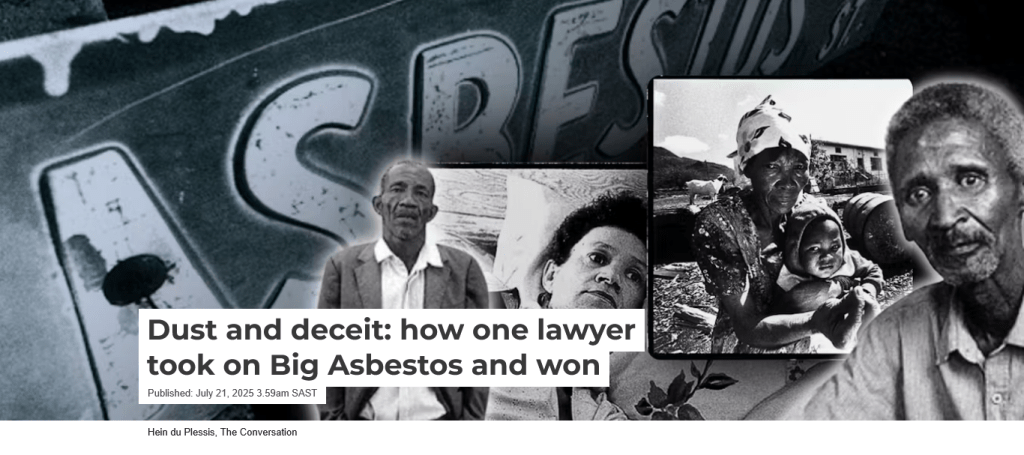
David Kinley’s book, In a Rain of Dust, tells a Dickensian tale of men and women killed by the mining of asbestos and the lawyer who fought for them. It reads like a well-crafted thriller rather than the diary of a very complicated lawsuit.
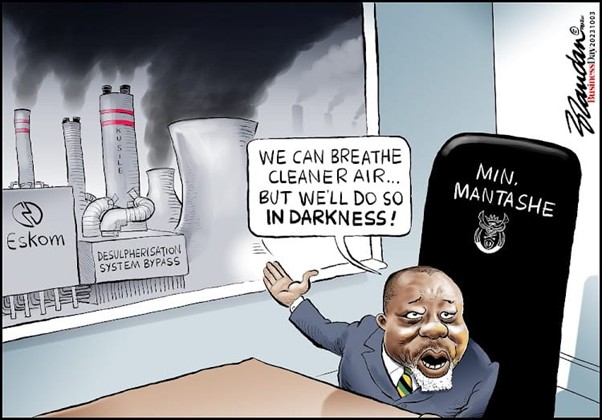
Minister of Mineral and Petroleum Resources Gwede Mantashe is the Minister responsible for mines and with some changes here and there, in the portfolio Mantashe has been at the helm since 2018. But this has been his regular argument from way back (2021) and here. A week ago he said:mining can’t be killed for the sake of “fresh air”, this he did when he once again gave his support for the revival of shale gas exploration in the Karoo.
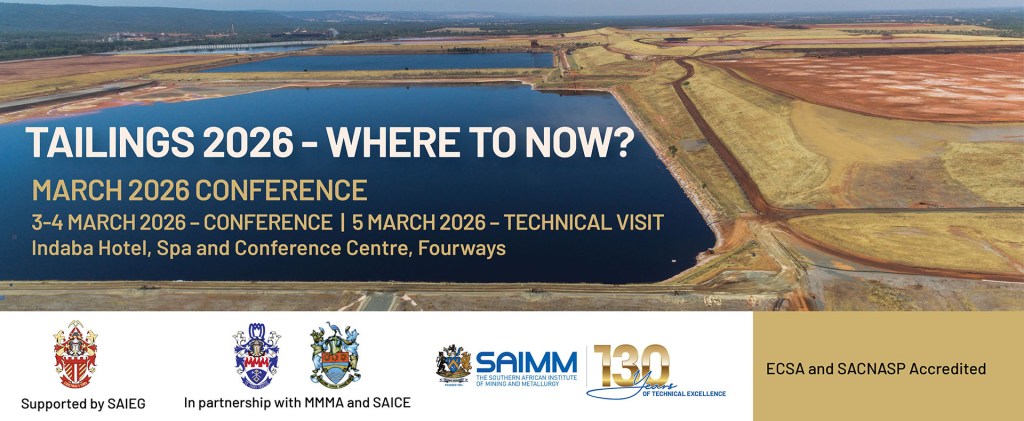
The South African Institute of Mining and Metallurgy is proud to announce its upcoming 2026 conference on Tailings. Since the inaugural event, which raised the profile of tailings management and fostered collaboration among industry stakeholders, and the subsequent conference that focused on embracing the Global Industry Standard on Tailings Management (GISTM), the field has seen significant progress. We’ve deepened our understanding of GISTM requirements, advanced geotechnical knowledge of tailings dams, engaged more stakeholders, and made strides toward improved safety through GISTM compliance.
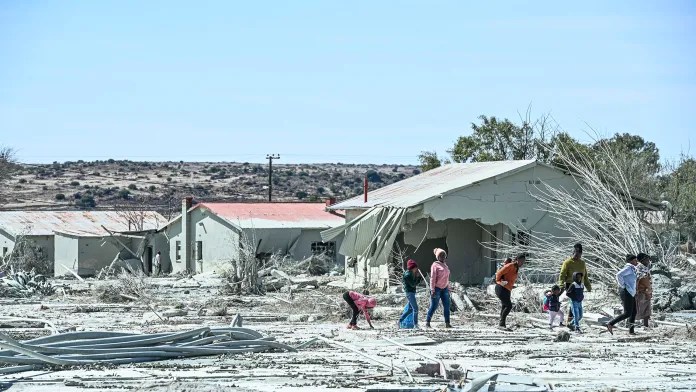
South Africa’s September 11 tragedy has morphed into a full-scale legal battle after 26 families issued summons to a prominent mining company and two cabinet ministers. This follows the Jagersfontein disaster that claimed three lives, destroyed homes, and left scores of Charlesville residents in Free State homeless nearly three years ago.
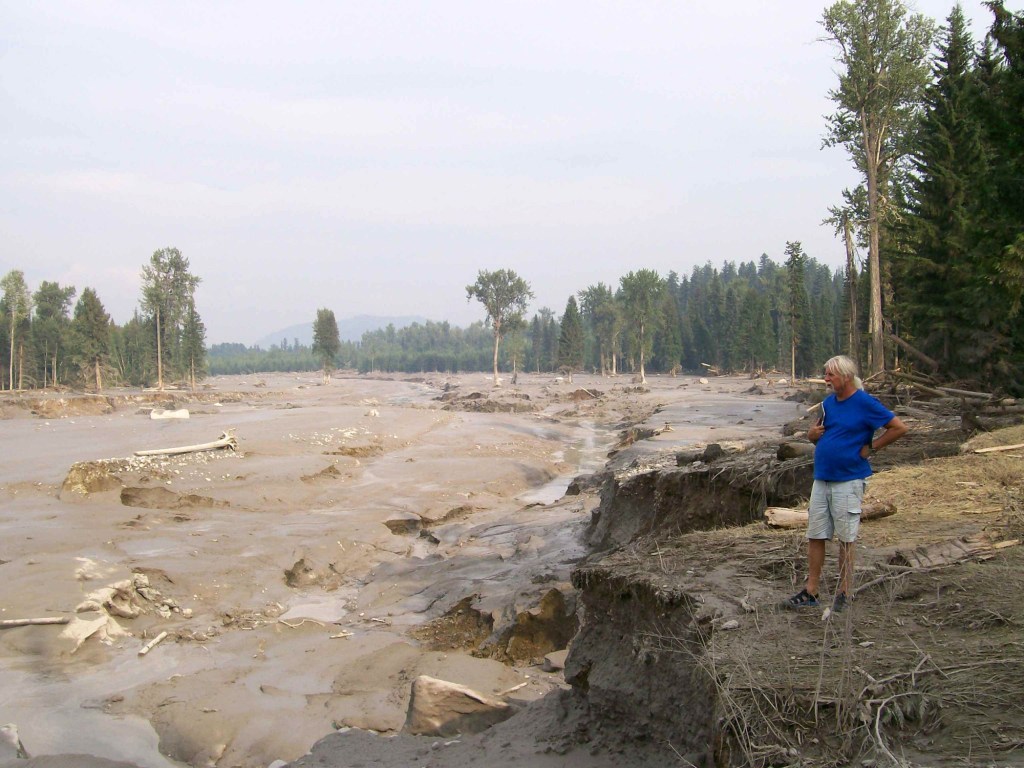
The tailings dam collapse unleashed a tidal wave of toxic sludge that thundered down the slopes; swallowing homes, cars, livestock and everything else in its path. Families scrambled for their lives as the grey sludge wiped out decades of memories and livelihoods.
Each year, mining companies dump over 180 million tonnes of these hazardous mine wastes into water bodies — more than 1.5 times the amount of waste that U.S. cities send to landfills each year.
By Gillian Schutte, Sunday Independent, 2024-11-22
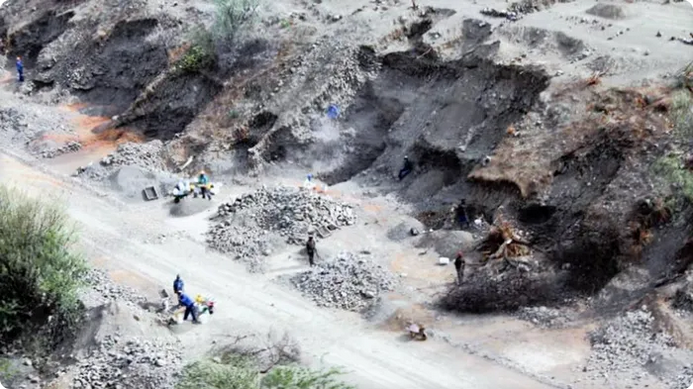
The race for critical minerals has turned South Africa’s abandoned mine dumps into battlegrounds where corporate interests clash with community survival. These tailings, referred to as mine dumps, are the by-products of mining operations—remnants of crushed and processed ore that contain trace amounts of valuable minerals left behind after initial extraction. Typically stored in large, toxic mounds or slurry ponds, tailings include harmful chemicals used during mining processes, such as cyanide, mercury, and arsenic, as well as heavy metals like uranium, which can leach into surrounding soil and water.

 CSOs 4 Tailings Justice